
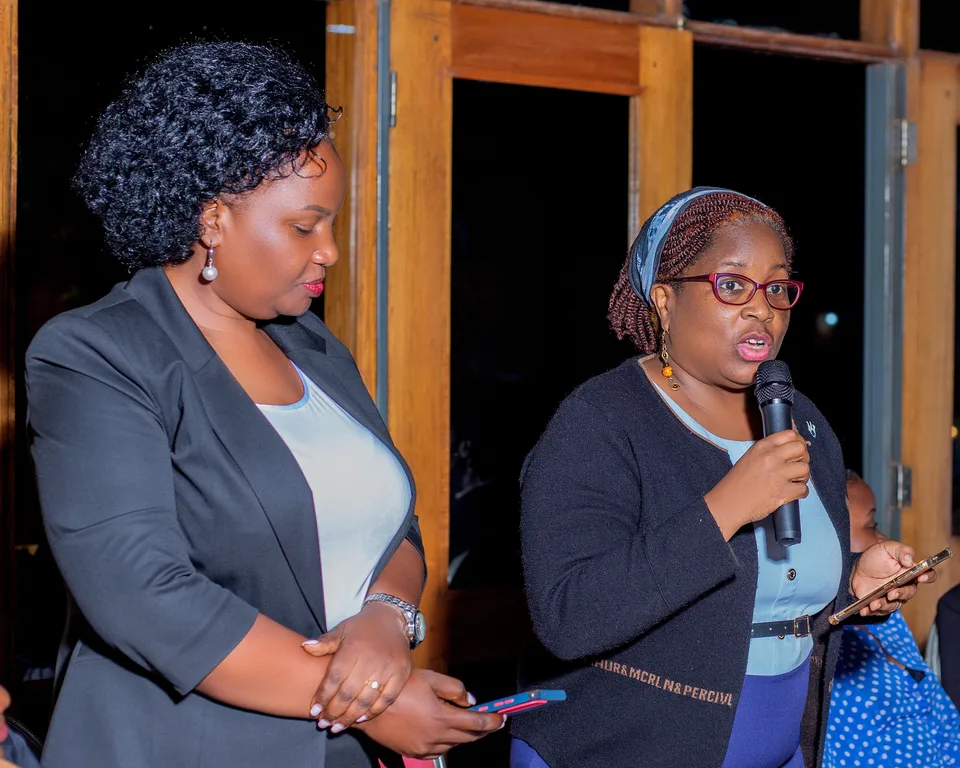
By Jackline Mutimba #SolRise
She wakes up before everyone else. There is breakfast to prepare, children to get ready for school, household responsibilities to attend to and perhaps a business to open or an office to report to.
Before the day has even begun, several people have already called on her. At work, she is expected to deliver. At home, she is expected to provide care, maintain peace and keep everything running. As a daughter, sister, wife, mother or friend, there is always someone who needs her attention.
And somehow, she manages. She smiles when greeting people. She attends meetings, participates in community activities and remembers important family occasions. From the outside, she appears to have everything under control.
But what happens when the woman everyone depends on is herself struggling?
For many women, emotional exhaustion does not always announce itself through tears or a visible breakdown. Sometimes, it appears as irritability, persistent tiredness, sleepless nights, difficulty concentrating or simply losing interest in things that once brought joy.
Yet these signs are easily dismissed.
"You're just tired."
"Every woman goes through that."
"You need to be strong for your children."
And perhaps the most familiar: "You are a mother. You have to manage."
These statements may be well-intentioned, but they can leave women feeling that their struggles are ordinary burdens they must quietly endure.
Consider a woman running a small business in downtown Kampala. Sales have been slow, rent is approaching, school fees are outstanding, and customers expect her to remain cheerful. She returns home in the evening, where another set of responsibilities awaits.
Or the professional woman who spends her working day meeting deadlines, supporting colleagues and solving problems, only to return home to an endless list of domestic responsibilities.
Then there is the woman caring for ageing parents, raising children or supporting relatives while navigating her own financial and relationship challenges.
Their circumstances may differ, but the emotional burden can be remarkably similar.
The problem is not that women have responsibilities. It is that many carry those responsibilities without sufficient support, recognition or opportunities to rest.
Society often celebrates women for their strength, sacrifice and ability to hold families together. We praise the mother who never gives up, the wife who keeps the family united and the professional who manages everything effortlessly.
But rarely do we ask what maintaining that image costs her emotionally.
Some women have become so accustomed to putting others first that attending to their own needs brings feelings of guilt. Rest feels like laziness. Saying no feels selfish. Asking for help feels like admitting failure.
Over time, this pressure can affect emotional well-being, relationships, physical health and the ability to enjoy everyday life.
It is important, however, to recognise that exhaustion does not automatically mean someone has a mental health disorder. Persistent emotional distress deserves attention, and professional support may be necessary when symptoms interfere with daily functioning.
Supporting women's mental health requires more than encouraging them to practise self-care.
It requires families to share responsibilities rather than assume that everything belongs to the woman. It requires workplaces to recognise that employees have lives beyond their professional roles. It requires partners to offer emotional support, listen without judgment and participate meaningfully in household responsibilities.
And it requires communities to create spaces where women…